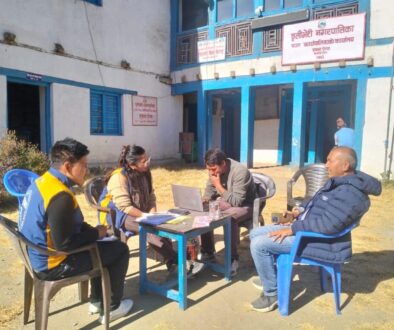


From Vision to Action: Women Champions of WASH in SUSWA
In the remote villages of Jumla, Nepal, women are stepping forward not just as participants but as decision-makers, implementers, and change-makers in water, sanitation, and hygiene (WASH). Their leadership is transforming communities, improving health, and inspiring other women to raise their voices and take action.
Two remarkable women, Sumita Shahi, WASH Coordinator in Hima, and Manju Thapa, WASH Coordinator in Sinja, share their journeys of courage, community engagement, and tangible results, showing how women in leadership roles drive sustainable change.
A Journey of Commitment and Courage
Sumita Shahi recalls:
“I am an ordinary woman from a village, but every small problem in society felt like a big question to me. Visiting remote settlements in Jumla before becoming a WASH Coordinator helped me understand the challenges firsthand. Taking on this role in Hima Rural Municipality gave me the chance to lead water, sanitation, and hygiene initiatives with greater responsibility. Today, I can see change not only in policies but also in practical outcomes, and that has been the greatest achievement of my journey.”
Manju Thapa shares a similar story:
“I was born and raised in a rural area where the lack of clean water, toilets, and hygiene affected women and children. After studying Public Health, I volunteered with different organizations and later worked as a Public Health Promoter Officer during COVID-19. Today, as a WASH Project Coordinator with SUSWA, I feel motivated by the trust and encouragement of my community, and the knowledge that our work is making a real difference.”
Finding Inspiration and Staying Motivated
Both are inspired by their communities and families.
Sumita says:
“The mothers who wake up early to fetch water, children eating without washing hands, and families suffering from poor hygiene motivate me. If someone can do it, why not me? Seeing children wash their hands, mothers use safe toilets, and communities adopt proper waste management keeps me excited.”
Manju adds:
“My father always taught me that change begins with oneself. Seeing small efforts lead to big changes in the community motivates me. When women speak openly about hygiene and their rights, girls attend school, and family behaviors improve. It gives me immense enthusiasm.”
Empowering Women’s Voices in Decision-Making
A core focus of their work has been amplifying women’s participation in community decisions.
Sumita explains:
“In remote areas, women often cannot speak up. Initially, they were silent in meetings, and men made all the decisions. I made it my mission to encourage women to speak, and now women participate actively, contributing to policies, planning, and budgeting. Listening to their voices has a tangible positive impact on the community.”
Manju echoes this:
“We organized meetings at women-friendly times and locations. Initially shy, women now speak freely, plan, and even take leadership roles. Seeing this change is a proud achievement in itself.”
Creating Lasting Change
Their leadership has led to tangible improvements in their communities.
Sumita recalls:
“We declared Hima-1 Dewargaun a Total Sanitation Oriented village and ensured every household in Hima-5 Bajagad has a toilet. Through campaigns like ‘One House, One Toilet,’ villagers contributed labor and embraced sanitation practices. That day, I felt a deep sense of local ownership, a truly proud moment.”
Manju shares:
“In a village where most households lacked toilets, women had to go outside at night, risking health and safety. We worked with local mother groups to construct toilets and run hygiene campaigns. Today, almost every household has a safe toilet, improving women’s safety, health, and confidence. I am proud to have played a role in this transformation.”
Overcoming Challenges as Women Leaders
Being a woman in leadership comes with challenges.
Sumita reflects:
“People initially ignored me, calling my advice ‘emotional talk.’ But I chose to let my work speak. When results appeared, better access to water, improved sanitation, and cleaner schools, people began to respect me. Leadership is proven through results, not words.”
Manju adds:
“There was skepticism about what a woman could do. Speaking in meetings was difficult at first, but persistence, knowledge, and integrity helped. Gradually, the community recognized my contributions and offered support.”
Shaping the Future of WASH
Women’s participation is essential for sustainable WASH programs.
Sumita highlights:
“Women fetch water, maintain hygiene, and care for children’s health. When they lead planning, programs become practical and long-lasting. Women’s leadership has linked WASH programs directly with people’s lives.”
Manju adds:
“When women integrate their experiences and needs into planning, programs succeed. I am confident that women’s leadership will continue to bring innovative and inclusive approaches to WASH in the future.”
A Message to Aspiring Women Leaders
Sumita encourages:
“Leadership does not require a high position, but a big vision. Believe in yourself, start with small steps, and raise your voice. We are not only capable of managing homes; we can manage society. Be courageous and persevere, small steps lead to big change.”
Manju adds:
“Everyone has hidden potential. Recognize your leadership capacity and believe in it. Challenges will come, but persistence and positivity make the impossible possible. Move forward and inspire others, your small step can transform a community.”
Conclusion
Sumita Shahi and Manju Thapa exemplify the power of women leading change. Their leadership in WASH is not just improving sanitation and hygiene; it’s empowering women, fostering local ownership, and creating a healthier, safer, and more inclusive future.
This 16 Days of Activism, SUSWA celebrates women like them, decision makers, implementers, and role models, proving that when women lead, communities thrive.