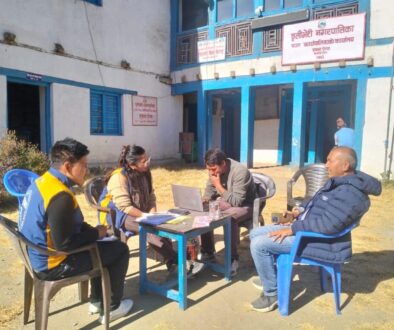

In a beautiful part of rural Nepal called Bhagwatimai which lies in Dailekh, there has been an important achievement worth celebrating and recognising. The community of Lamtadada, which used to struggle with inadequate sanitation and hygiene, has now become a great example of success in sanitation and hygiene, and community development.
Lamtadada was recently honoured as the first community in the SUSWA project duration to achieve total sanitation status. This success results from dedicated efforts by the community, the water users and sanitation committee and Bhagwatimai Rural municipality with the support of the SUSWA. The achievement is significant not only for the community but also as a model for similar rural areas across the country.


Not too long ago, Lamtada faced significant challenges. Necessities like safe drinking water and proper sanitation were scarce, contributing to health risks and diminished quality of life. The locals relied on the river for water, and the absence of improved toilet facilities posed serious hygiene concerns. However, through awareness, collaboration, and tireless work, the community began its transformative journey.
Lok Bahadur Khadka, a respected farmer and plumber, played an important role in the success story. His household became the first to meet all six main indicators and 18 sub-indicators for the community level of total sanitation, which included access to a safe toilet, personal hygiene and handwashing, safe drinking water, food hygiene, household and institutional sanitation, and environmental sanitation. It was symbolised by the “total sanitation-targeted house” sticker. This achievement brought pride to his family and tangible improvements in the family’s health. He says, “Me and my wife have seen the changes in my children’s health. They used to be sick quite often, but now we have noticed they don’t get sick as often. We believe it’s because we have been following the total sanitation rules.”


On the 9th of June, as part of the 25th National Sanitation Week, the community marked the achievement of total sanitation with a lively celebration featuring music and dances. Mina Kumari Khadka, the vice-chairperson of Bhagwatimai rural municipality, officially announced the community’s total sanitation status, and the locals committed to sustaining this accomplishment. Initially, the Total Sanitation Monitoring Protocol was developed following the government’s Total Sanitation Guidelines. Subsequently, the idea of a monitoring sticker was introduced. This sticker would be affixed to the front of each house and assessed by a Joint Monitoring team according to the Total Sanitation Monitoring Protocol guidelines. The Joint Monitoring process involves a detailed evaluation of sub-indicators and scoring parameters, ensuring a comprehensive understanding of the community’s sanitation standards.
The success of this endeavour has the potential to serve as a source of inspiration for other communities within the SUSWA project area and beyond, encouraging them to strive towards achieving total sanitation status.


Lamtada’s success teaches that change is possible when communities unite, and that education and empowerment are key drivers of progress. This highlights how sustainable development starts locally and then expands to the provincial and federal levels. Each level’s commitment is essential, but it’s the local communities’ efforts that often start and continue broader change.
Some extra pictures